Specification · 5 min read
How to choose an RO booster pump by GPD
Match membrane flux first, then voltage and duty. A 400G tankless kitchen is not a 75G tank system with a louder motor.
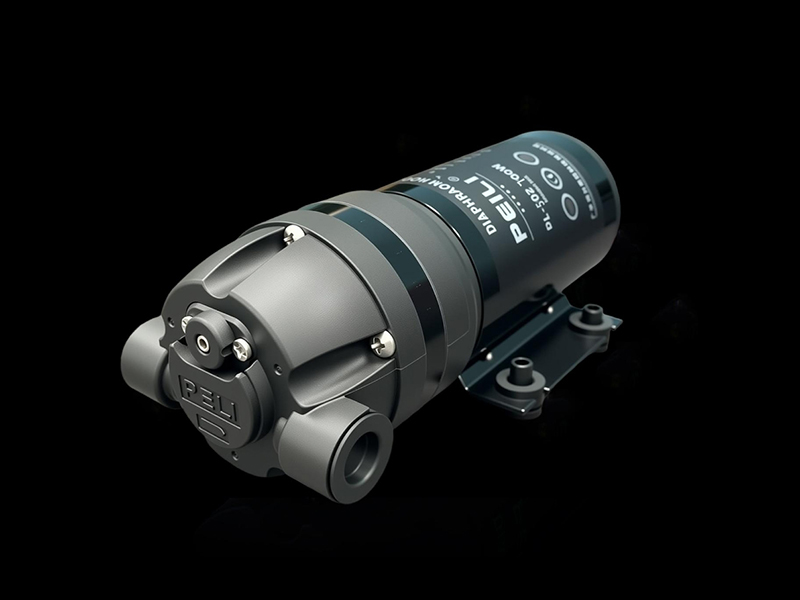
Most RFQs arrive as “send your 400G pump.” The useful question is which membrane, which recovery, and how many hours the head will sit at pressure. GPD on the carton is a marketing band. The pump has to hold PSI when the tap is closed and recover when it opens.
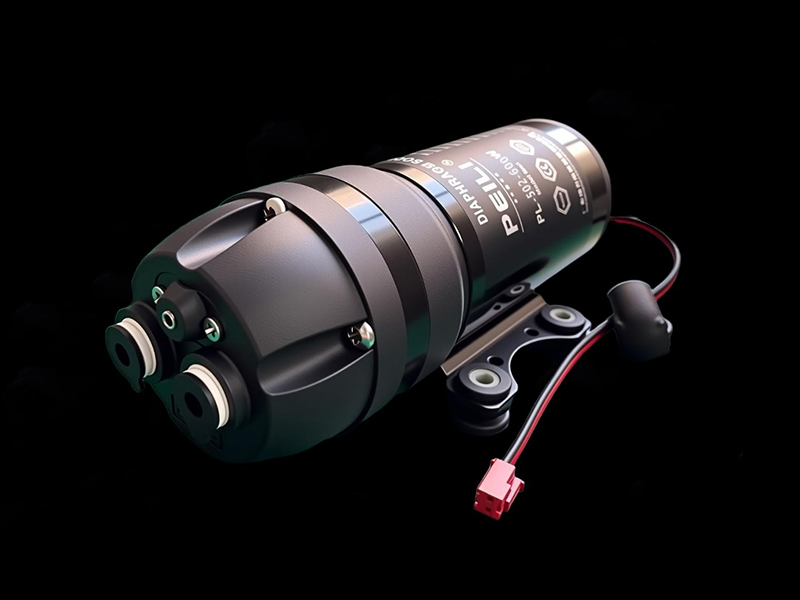
Start with the membrane, not the catalog
A 75–100 GPD household RO with a tank is still the 50–400G compact class — our 502 platform. Tankless 400G+ kitchens moved the market to high-flow 502/605 because people will not wait on the faucet. Commercial islands at 800–1600G need a different duty cycle, often brushless.
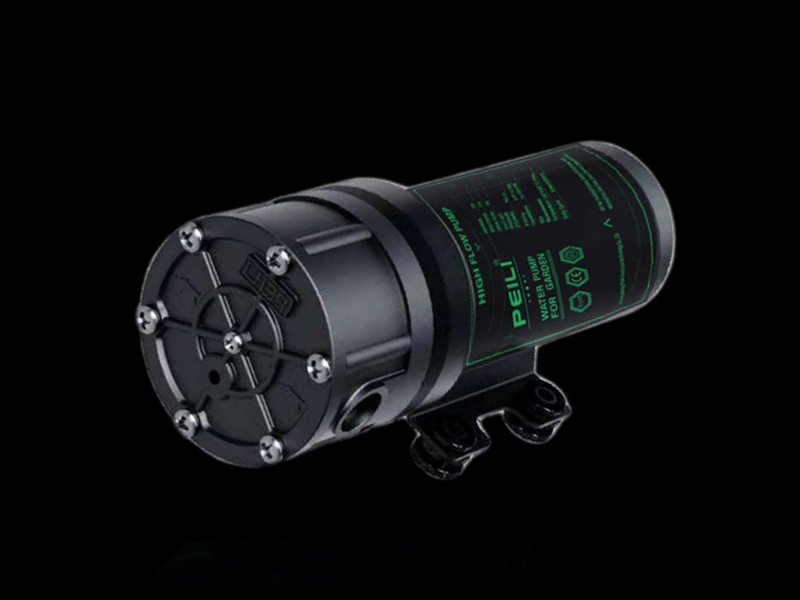
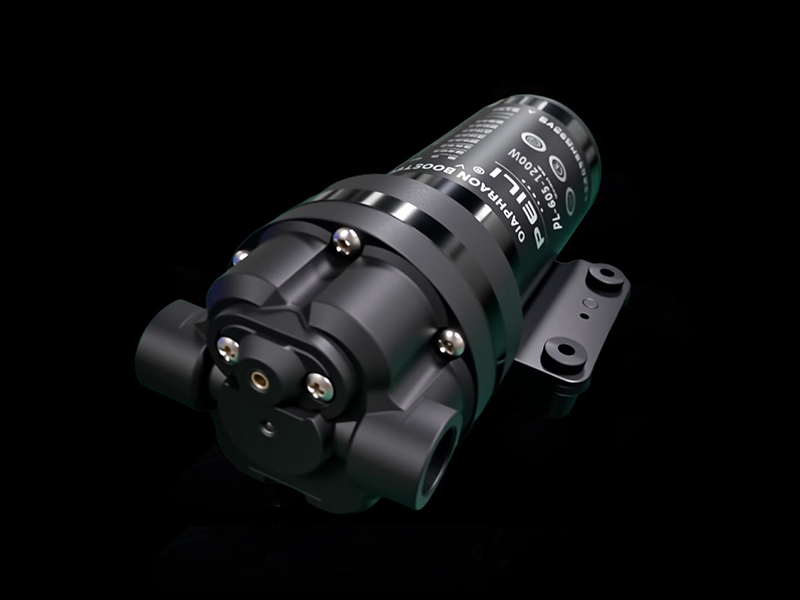
- — 50–400 GPD tank systems → 502 compact, self-priming if the tank sits high
- — 400–800 GPD tankless → 502/605 high-flow or 605 silent
- — 800–1600 GPD commercial → 605 high-flow or brushless
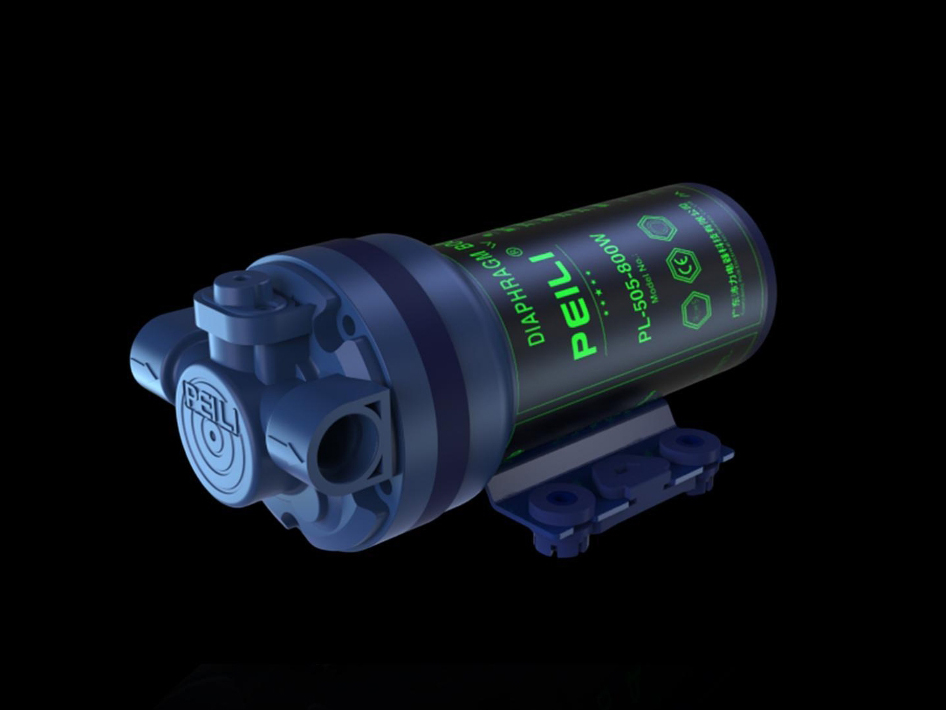
- — High-TDS feed → 505 or brushless high-pressure, not a louder compact
Voltage and ports before price
24 V DC is the default on under-sink RO. Confirm 1/4" quick-connect versus threaded ports, and whether you need boost-only or boost plus self-priming. We will not quote a mixed-model container until those three fields are locked.
Send target GPD, voltage, yearly quantity, and the incumbent model. We return one recommended PEILI series — not a 30-model dump.
Next step
502 Compact Booster / Self-priming